Health
Why your hair can shed months after a stressful event
Noticing more hair months after a stressful event? Learn about delayed hair shedding, recovery and when to speak with a dermatologist.
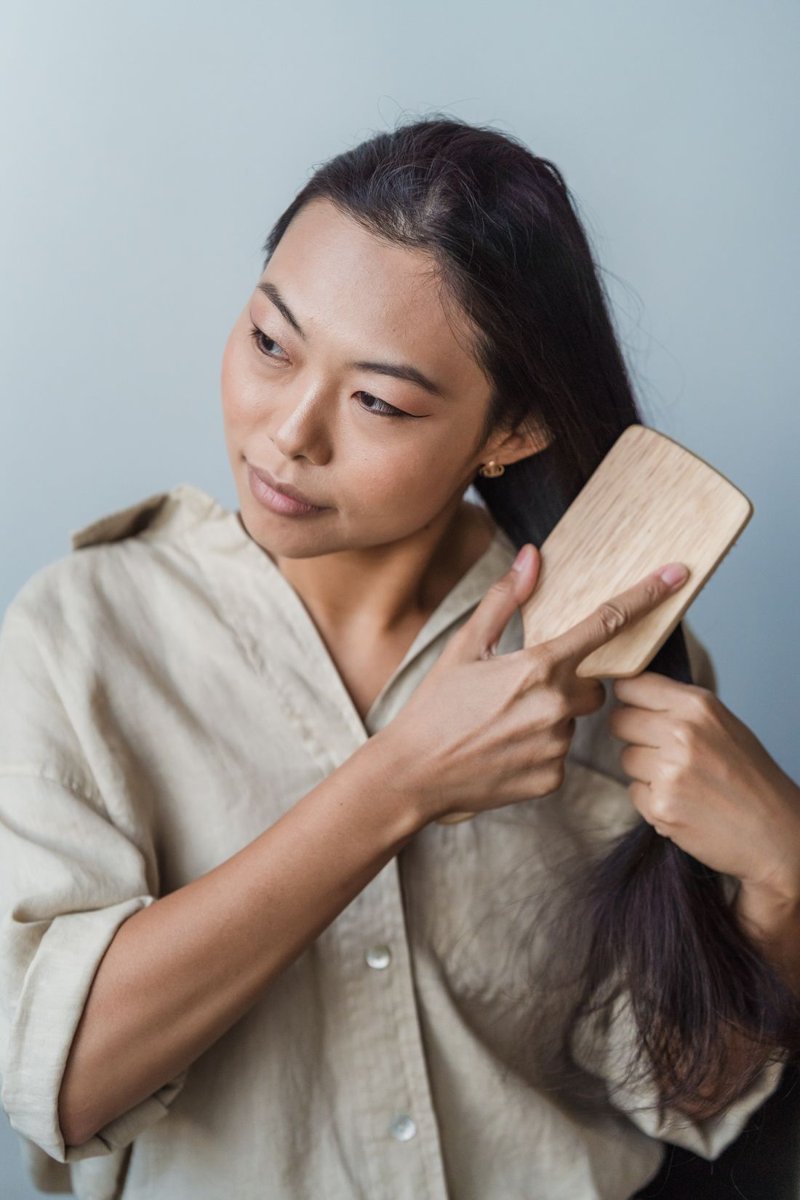
The difficult weeks are behind you. Life feels more settled. Then you notice more hair on your brush and wonder why this is happening now.
Hair shedding after stress can appear months after the event that triggered it. That delay can make the connection easy to miss.
Why does shedding start later?
The American Academy of Dermatology describes excessive shedding called telogen effluvium, which can follow significant emotional stress, illness, surgery or childbirth. People often notice it a few months afterward.1
A recent change in your hair may therefore be connected to something that happened earlier.
Will your hair recover?
Temporary shedding often settles as the body readjusts. The AAD notes that hair commonly returns to its usual fullness within six to nine months. Ongoing stress can prolong shedding, and recovery varies.1
When should you ask for help?
A dermatologist can distinguish excessive shedding from other forms of hair loss, which may occur together. If the amount concerns you, an assessment can help identify the cause and what to expect.
The timeline is a useful clue, rather than a diagnosis.
What does that mean for you?
The delay is the part most people miss. If shedding begins today, think back several months rather than only to this week. Illness, surgery, childbirth, a major emotional event or a sharp dietary change may belong on that timeline.
Research gives us the usual pattern, but your experience helps show whether your hair is following it. Note when shedding started, whether it is slowing and whether you see patchy loss, scalp symptoms or other changes. Photographs taken under similar light can be more useful than checking the mirror repeatedly. Bring persistent or concerning changes to a dermatologist.
A quick check-in
Did you find this story useful?
Sources
For general information. This story does not provide a diagnosis or replace individual medical advice.