Health
Why can emotional stress make skin feel more sensitive?
Psychological stress can affect the skin barrier and recovery. Learn what small human studies found and why irritation still needs a broader explanation.
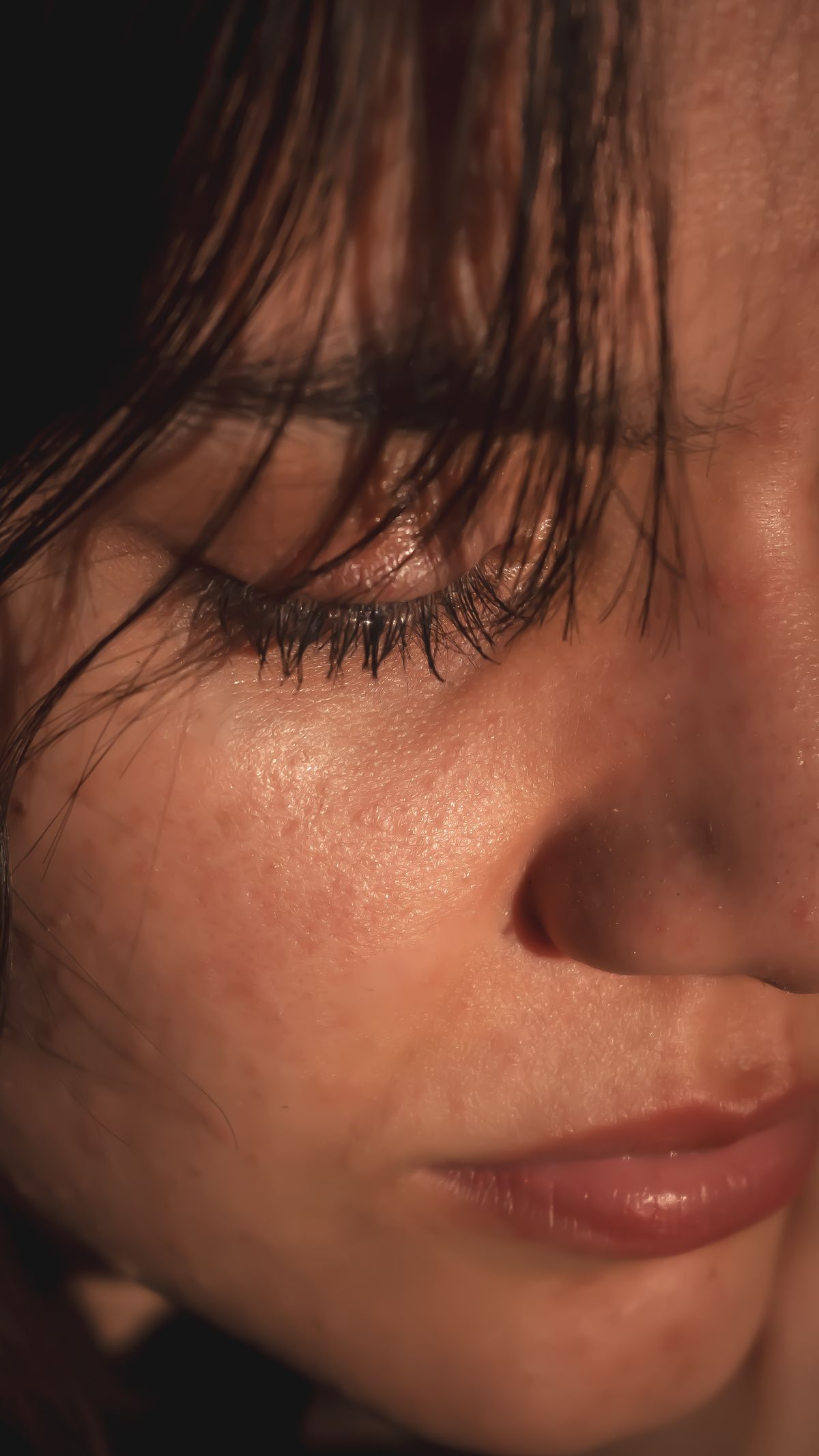
During an intense week, skin may feel tighter, itchier or less tolerant of products that were usually fine. That experience is plausible, but stress is one influence among many.
What is the skin barrier?
The outermost layer of skin helps limit water loss and keeps irritants outside. Researchers often study how quickly that barrier recovers after a controlled disruption.
What happened during psychological stress?
In a human study, participants experienced slower recovery of the epidermal permeability barrier during periods of higher psychological stress. The authors proposed that stress-related signaling may disturb normal barrier repair.1 Later work in healthy women also reported stress-related changes in measures of barrier function.2
Why is the answer still not simple?
Weather, cleansing, active ingredients, allergies, eczema and medications can all change how skin feels. Small experimental studies cannot tell you which factor explains an individual flare.
What does that mean for you?
If your skin becomes reactive during a difficult period, simplify rather than escalate. A mild cleanser, familiar moisturizer and pause from unnecessary active ingredients may reduce additional irritation.
Research gives a biological reason to take the experience seriously. Your skin still supplies the practical detail: when the discomfort began, what you applied and whether there is rash, swelling, cracking or persistent itch. Notice those signals. Seek medical care when symptoms are severe, recurring or unexplained.
A quick check-in
Did you find this story useful?
Sources
For general information. This story does not provide a diagnosis or replace individual medical advice.