Beauty
Does one bad night change how other people see your face?
Sleep restriction can subtly change facial cues and social impressions. That finding says more about perception than anyone’s worth or beauty.
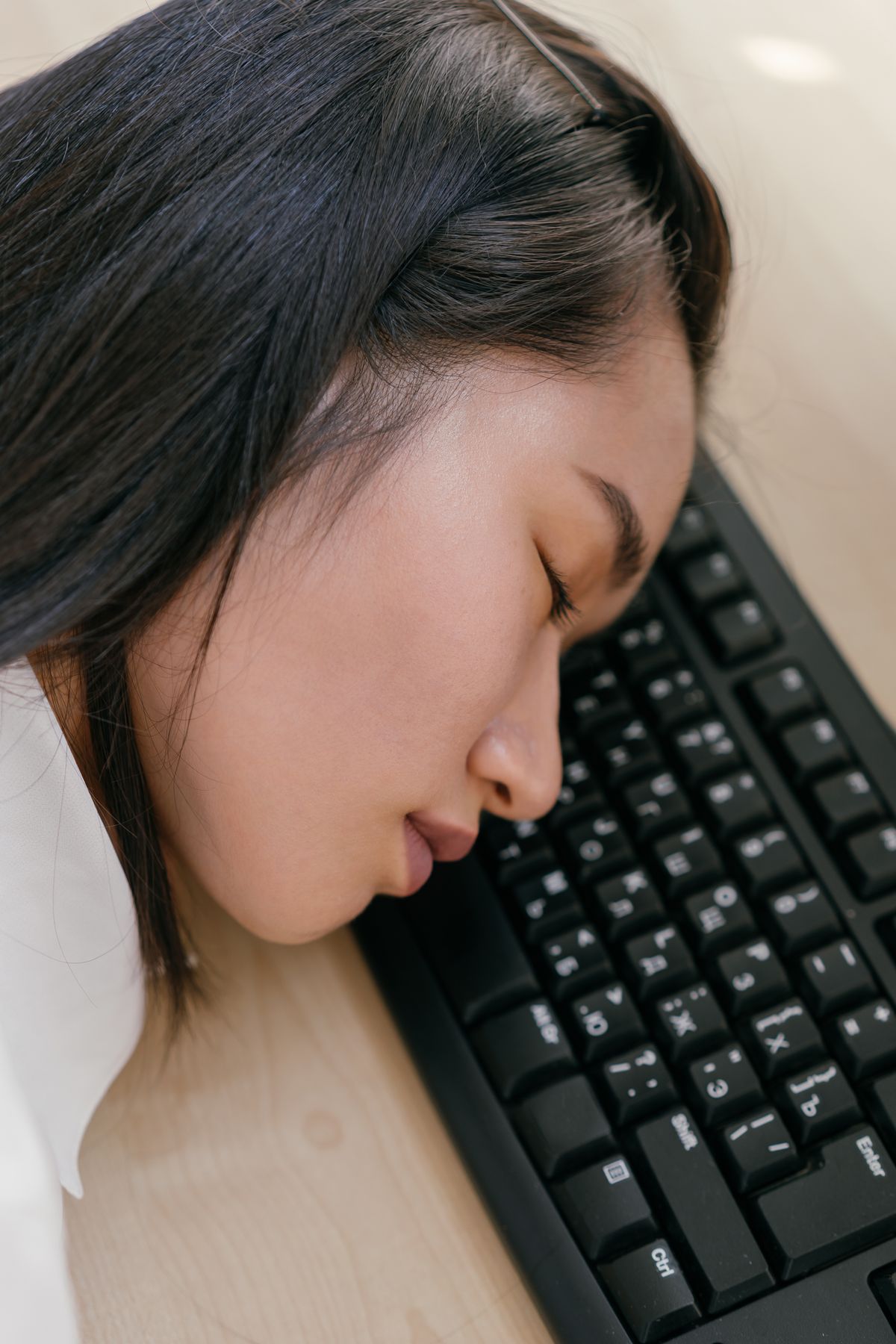
“You look tired” can feel like an observation and an insult at the same time. Controlled studies suggest that sleep loss can alter visible cues, but the effect is modest and the judgment belongs to the observer.
What did the experiment test?
Researchers photographed adults after normal sleep and after two nights of restricted sleep. Other people rated the faces without knowing the sleep condition. After sleep restriction, participants were rated as more sleepy, less healthy and somewhat less attractive. Observers also reported less inclination to socialize with them.1
Which facial cues can change?
Earlier experimental work linked sleep deprivation with hanging eyelids, redder or more swollen eyes, darker under-eye circles and paler skin.2 These are average ratings under controlled conditions, not reliable tools for deciding how much a stranger slept.
Is “beauty sleep” a scientific rule?
No. Attractiveness ratings are subjective and shaped by culture, familiarity and context. The studies do not establish a fixed relationship between sleep and beauty, and they do not measure a person’s value or health from a face.
What does that mean for you?
After a poor night, your face may look different to you or to someone else. That does not require an aggressive beauty routine. Hydration, familiar skincare and recovery sleep are more grounded responses than trying to erase every temporary cue.
Research shows how groups of observers respond on average. Your energy, mood and functioning matter more than a rating. Notice how sleep affects how you feel, not only how you imagine you appear.
A quick check-in
Did you find this story useful?
Sources
For general information. This story does not provide a diagnosis or replace individual medical advice.