Wellbeing
Why do we blush when we feel seen?
Blushing turns an internal emotion into a visible change in facial blood flow. The response may also carry social information.
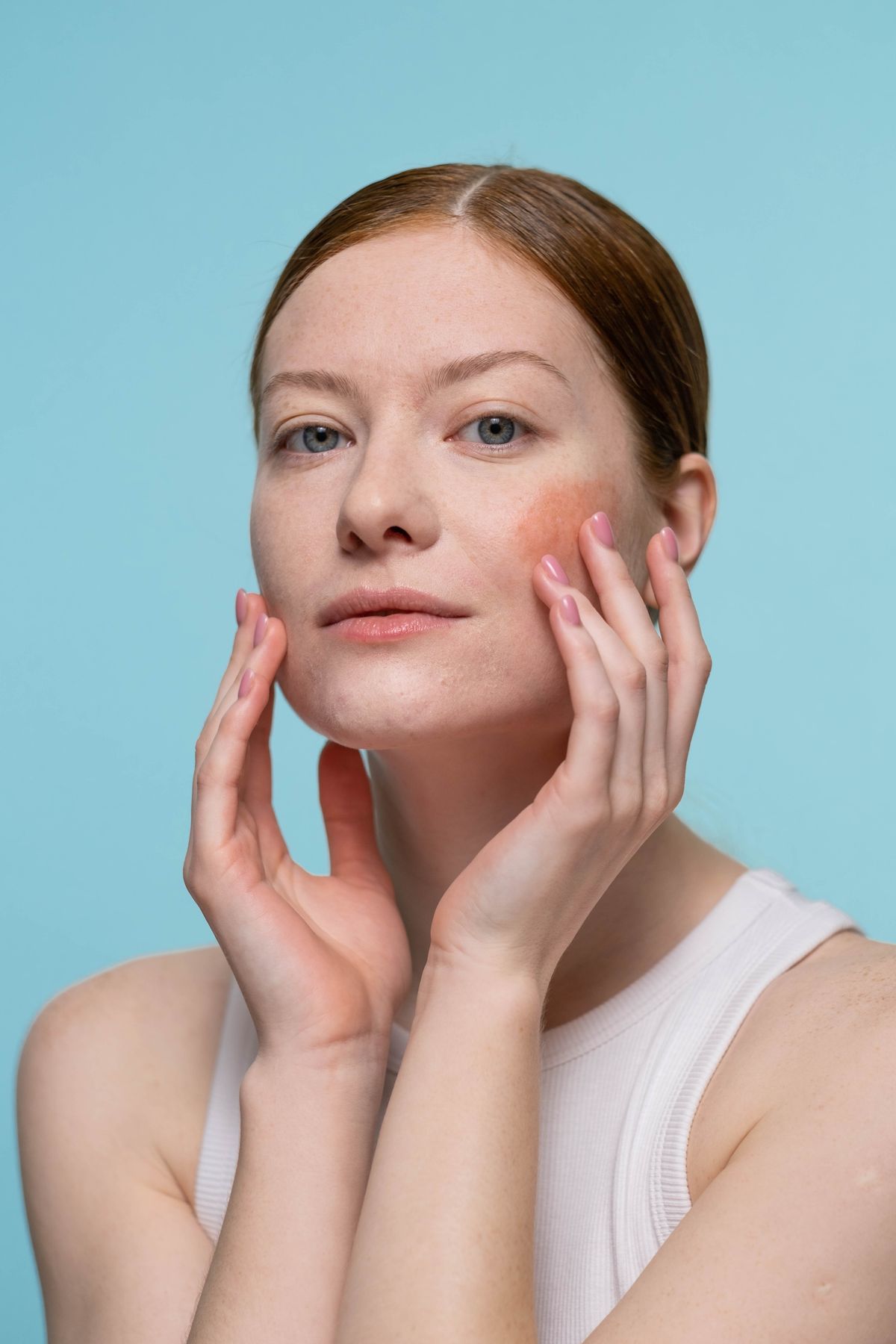
A compliment, a mistake or the feeling that everyone is looking can bring warmth to the face before you have decided how to respond. Blushing is involuntary, visible and deeply social.
What happens in the face?
Emotional arousal changes blood flow in facial skin. Recent brain-imaging work found that blushing was linked with activity in areas involved in arousal and attention to socially relevant events.1 It may not require a long, deliberate judgment about what another person thinks.
What might a blush communicate?
Observational research connects facial reddening with feeling embarrassed, ashamed or exposed.2 Because it is difficult to fake, researchers have proposed that blushing can signal that a person recognizes a socially awkward moment. The meaning still depends on context, skin tone, temperature and what observers can actually see.
Why can worrying make it feel worse?
Attention can turn toward the face: Is it red? Did they notice? That monitoring can intensify the sense of exposure even when other people are focused on the conversation.
What does that mean for you?
A blush is a body response, not a verdict about confidence or beauty. Notice the situation, heat and thoughts that arrive with it. Shifting attention back to the conversation may be more useful than trying to command the color to disappear.
Research describes common patterns. Your emotional experience tells you whether blushing is a passing discomfort or part of social anxiety that limits your life. If fear of blushing drives avoidance, therapy can address that fear even when the physiology itself remains automatic.
A quick check-in
Did you find this story useful?
Sources
For general information. This story does not provide a diagnosis or replace individual medical advice.